
Oral Health and Overall Well-Being: How to Manage and Heal Cold Sores
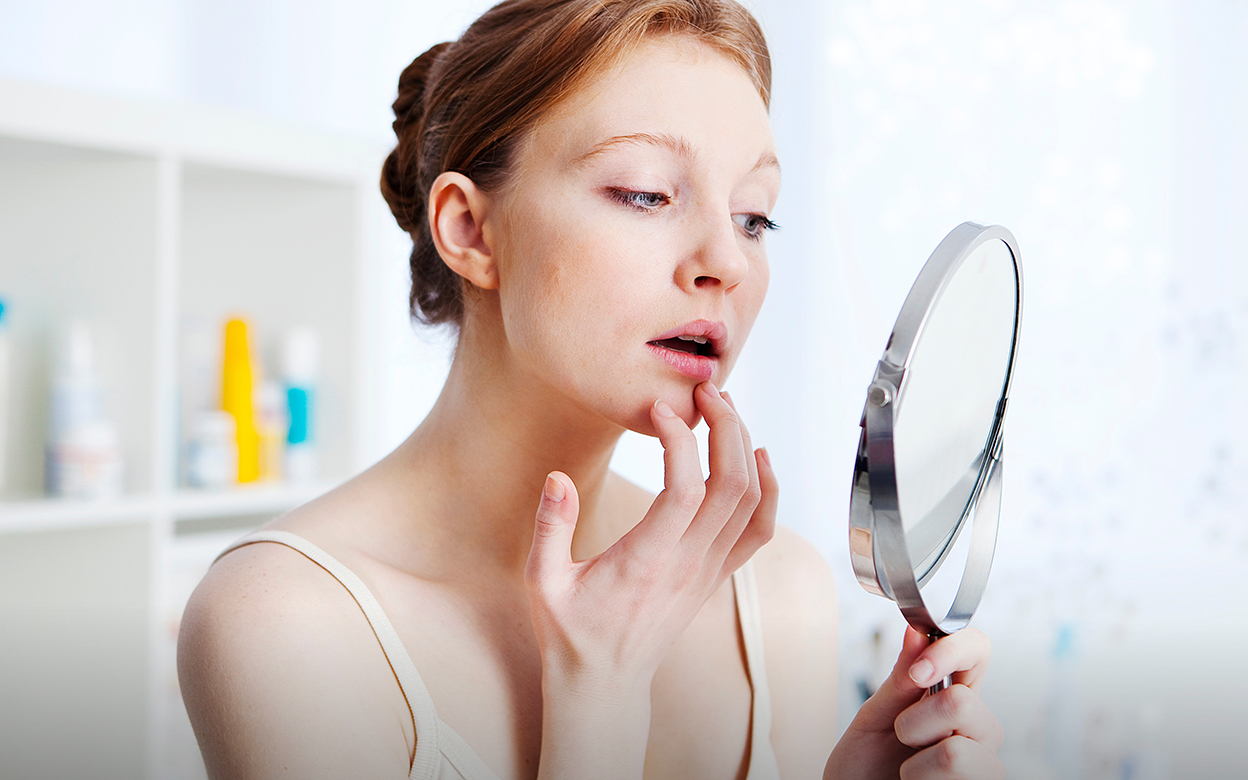
Oral health is a powerful mirror of our body’s overall condition. Gums, teeth, mucous membranes, and lips not only carry out essential daily functions such as eating, speaking, and smiling, but they also serve as a natural barrier against external pathogens.
Keeping the oral cavity in balance, protecting the mucosa, and acting promptly when issues arise are all key to overall well-being. Among the most common conditions affecting the perioral area are cold sores, a recurring viral outbreak that, although usually harmless, requires attention to prevent discomfort and complications.
Cold sores, clinically known as herpes labialis or fever blisters, are primarily caused by herpes simplex virus type 1 (HSV-1), a member of the herpesvirus family. This infection demonstrates widespread global prevalence. Viral transmission mostly occurs through salivary contact, intimate personal interaction (like kissing) with infected individuals, or indirect exposure via contaminated objects including drinking vessels, eating utensils, cosmetic products, shaving implements, or personal linens.
The virus enters the body through the skin or mucous membranes, infects epithelial cells, and causes their destruction. This process leads to the formation of the hallmark blisters: painful, fluid-filled vesicles. Typically, their appearance is preceded by sensations of itching, burning, or tingling in the affected area. After a few days, the lesions begin to dry out and form scabs. Cold sores usually resolve on their own within 7–10 days: the blisters rupture, dry up, and give way to crusts that eventually fall off naturally.
To prevent recurrences, it is important to avoid known triggers such as smoking, stress, lack of sleep, and prolonged sun exposure without adequate protection.
In cases of severe manifestation, antiviral therapeutic intervention may be indicated, administered under appropriate medical guidance.
Contemporary treatment modalities extend beyond conventional topical antivirals and hydrocolloid dressings to include innovative mucoadhesive buccal tablets. These transparent, easily administered devices bond directly to the oral mucosa, providing discrete and efficacious symptomatic relief.
To reduce the risk of frequent flare-ups, maintaining a balanced lifestyle is essential. Supporting immune function while minimizing exposure to precipitating factors not only facilitates the management of herpes labialis but also promotes comprehensive health and wellness.